.png?tr=w-500)
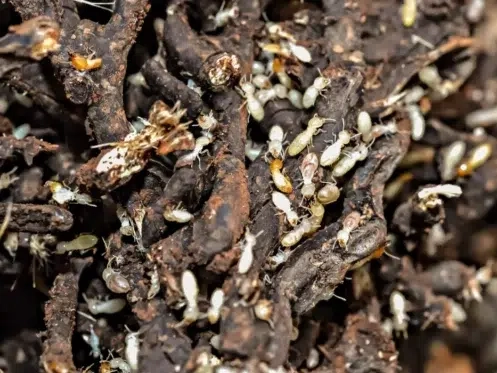
Termites can cause significant damage to your home, and understanding the differences between drywood and subterranean termite treatments is essential for effective pest management. In Arizona, where both types of termites thrive, knowing the best treatment options can save you time and money. This article will compare these treatments, helping you make an informed decision.
Introduction to Termite Treatments
Termites are often referred to as "silent destroyers" due to their ability to chew through wood, flooring, and even wallpaper undetected. In Arizona, two primary types of termites pose threats: drywood termites and subterranean termites. Each requires different treatment approaches, which we will explore in detail.
Understanding Drywood Termites
Drywood termites live within the wood they consume, requiring no contact with the soil. They are commonly found in wooden structures and furniture, making them particularly dangerous in homes with wooden siding or decks. In Arizona, the warm climate provides ideal conditions for these pests to thrive.
- Signs of Infestation: Look for small piles of fecal pellets, often resembling sawdust, near wooden structures.
- Common Locations: Drywood termites are frequently found in attics, eaves, and wooden furniture.
Understanding Subterranean Termites
Subterranean termites, in contrast, live in colonies underground and require moisture from the soil. They are the most destructive type of termite in the United States, including Arizona. These termites can create mud tubes to access above-ground wood sources, making them a significant threat to homes.
- Signs of Infestation: Look for mud tubes along foundation walls and soft, hollow-sounding wood.
- Common Locations: Subterranean termites are often found near foundations, in crawl spaces, and other areas with moisture.
Treatment Options for Drywood Termites
Treatment for drywood termites typically involves localized or whole-structure methods. Here are the most common options:
- Fumigation: This method involves tenting the entire structure and using gas to eliminate termites. It is highly effective but can be costly and requires residents to vacate the premises.
- Localized Treatment: Involves injecting insecticides directly into the infested wood. This method is less invasive and can be more affordable.
- Heat Treatment: This method raises the temperature of infested areas to a level that kills termites. It is chemical-free and effective for localized infestations.
Treatment Options for Subterranean Termites
Subterranean termite treatments focus on eliminating the colony and preventing future infestations. Common methods include:
- Soil Treatment: Applying liquid insecticides to the soil around the foundation creates a barrier that prevents termites from entering the home.
- Bait Systems: Bait stations are placed around the property, containing slow-acting insecticides that termites carry back to the colony, effectively eliminating it.
- Fumigation: Similar to drywood treatment, this can be used in severe cases but is less common for subterranean termites.
Cost Comparison of Treatments
The cost of termite treatments in Arizona can vary significantly based on the method used and the extent of the infestation. Generally, here is what you can expect:
- Drywood Termite Treatment: Costs can range from $1,500 to $4,000 for fumigation, while localized treatments may cost between $300 and $1,500.
- Subterranean Termite Treatment: Soil treatments typically range from $1,000 to $2,500, while bait systems can cost between $2,000 and $3,000.
These costs depend on various factors, including the size of your home and the severity of the infestation.
Common Mistakes to Avoid
When dealing with termite treatments, homeowners often make several common mistakes:
- Delaying Treatment: Ignoring early signs of infestation can lead to more extensive damage and higher treatment costs.
- DIY Treatments: Attempting to handle termite infestations without professional help can often worsen the problem.
- Neglecting Prevention: Failing to implement preventive measures can lead to future infestations.
When to Call a Professional
If you suspect a termite infestation or have noticed signs of damage, it's crucial to call a professional. Termite Control Arizona offers expert assessments and effective treatment options tailored to your needs. Early intervention is key to minimizing damage and costs.
Frequently Asked Questions
- How can I tell if I have drywood or subterranean termites?
- Look for signs like mud tubes for subterranean termites or fecal pellets for drywood termites. A professional inspection can confirm the type.
- What is the most effective treatment for termites?
- The effectiveness of treatment varies by termite type. Fumigation is highly effective for drywood termites, while bait systems are effective for subterranean termites.
- How often should I have my home inspected for termites?
- It's advisable to have a professional termite inspection at least once a year, especially in areas prone to infestations.
- Can I prevent termites from entering my home?
- Yes, you can prevent termites by maintaining proper drainage, sealing cracks, and removing wood debris near your home.
Understanding the differences between drywood and subterranean termite treatments is essential for protecting your home in Arizona. If you suspect a termite problem, don't hesitate to reach out for help.
Get help with Termite Control in Arizona
If you need assistance with termite control, contact Termite Control Arizona for a professional evaluation and tailored treatment options. Protect your home today!